Flight-Transition Validation
Validates asynchronous tilting and deterministic control on a real aircraft.
The World's First Asynchronous Tiltrotor
Architecture.
Deterministic Flight. Faster Certification. Lower Cost.
2026.1025 kg-Class Aircraft Flight Test
It will make everyone wonder: Why wasn't this done sooner?
Conventional eVTOL aircraft are becoming increasingly complex. More actuators mean more software, longer certification schedules, and higher manufacturing costs.
The world's simplest tiltrotor aircraft.
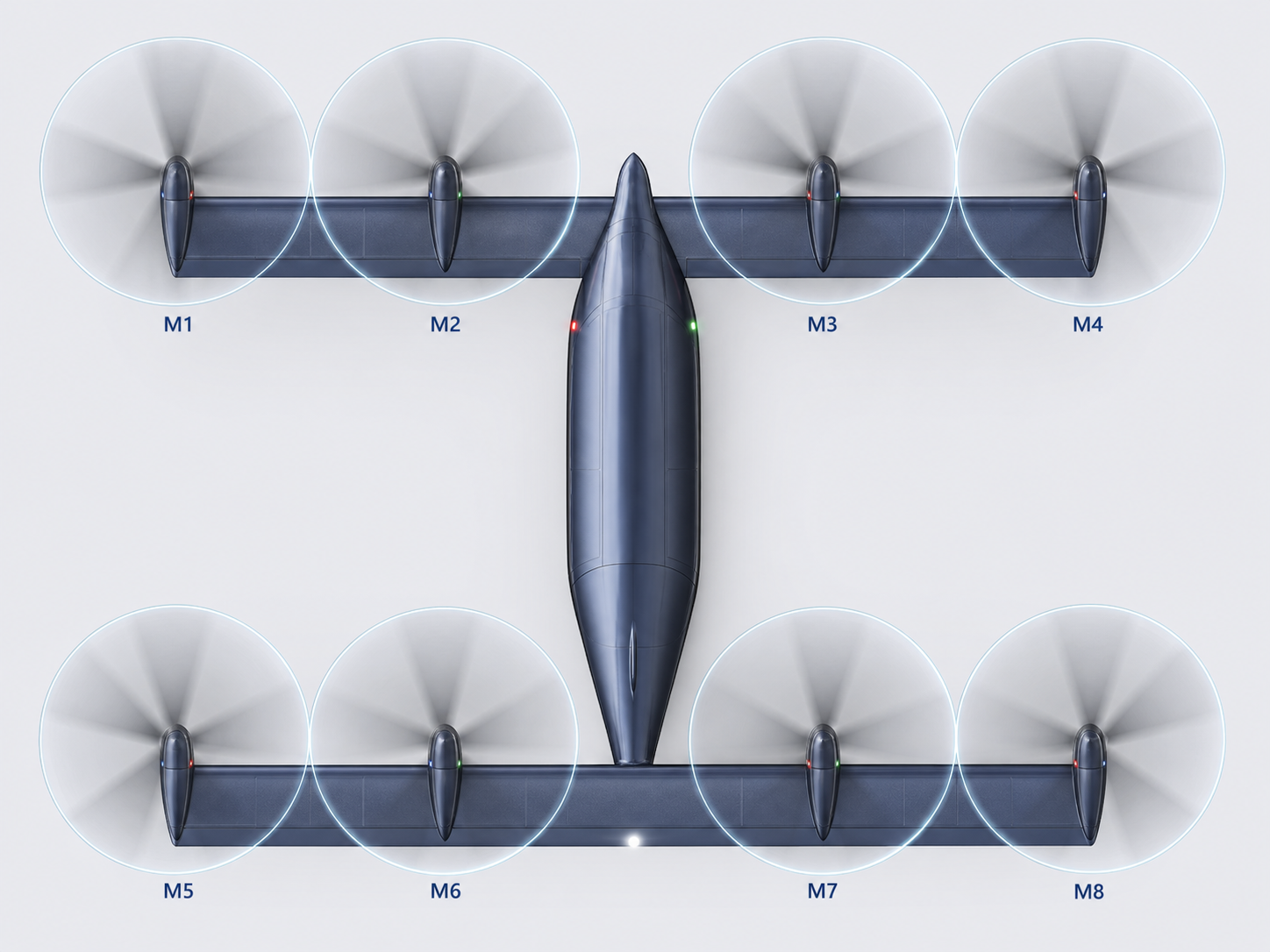
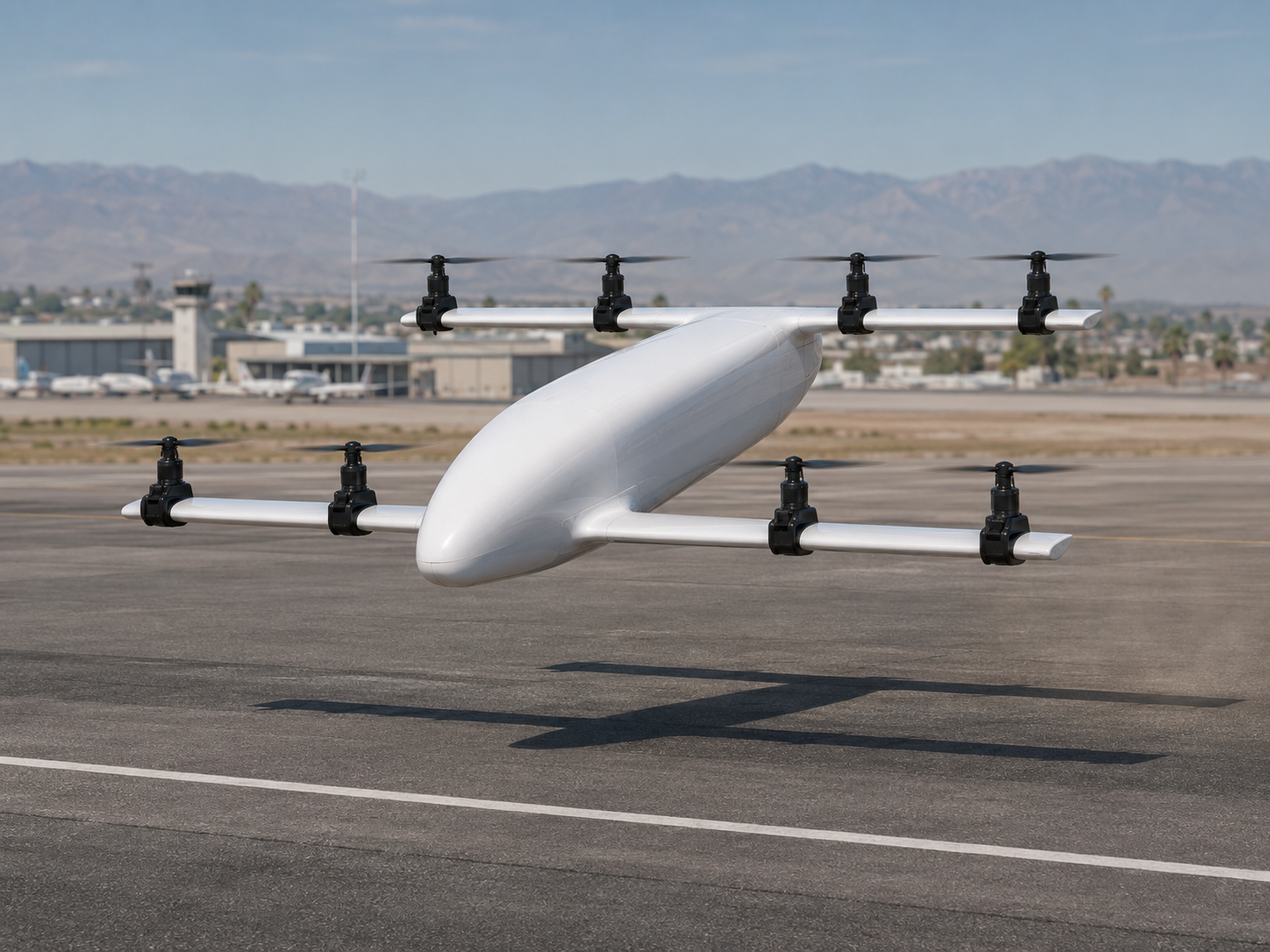
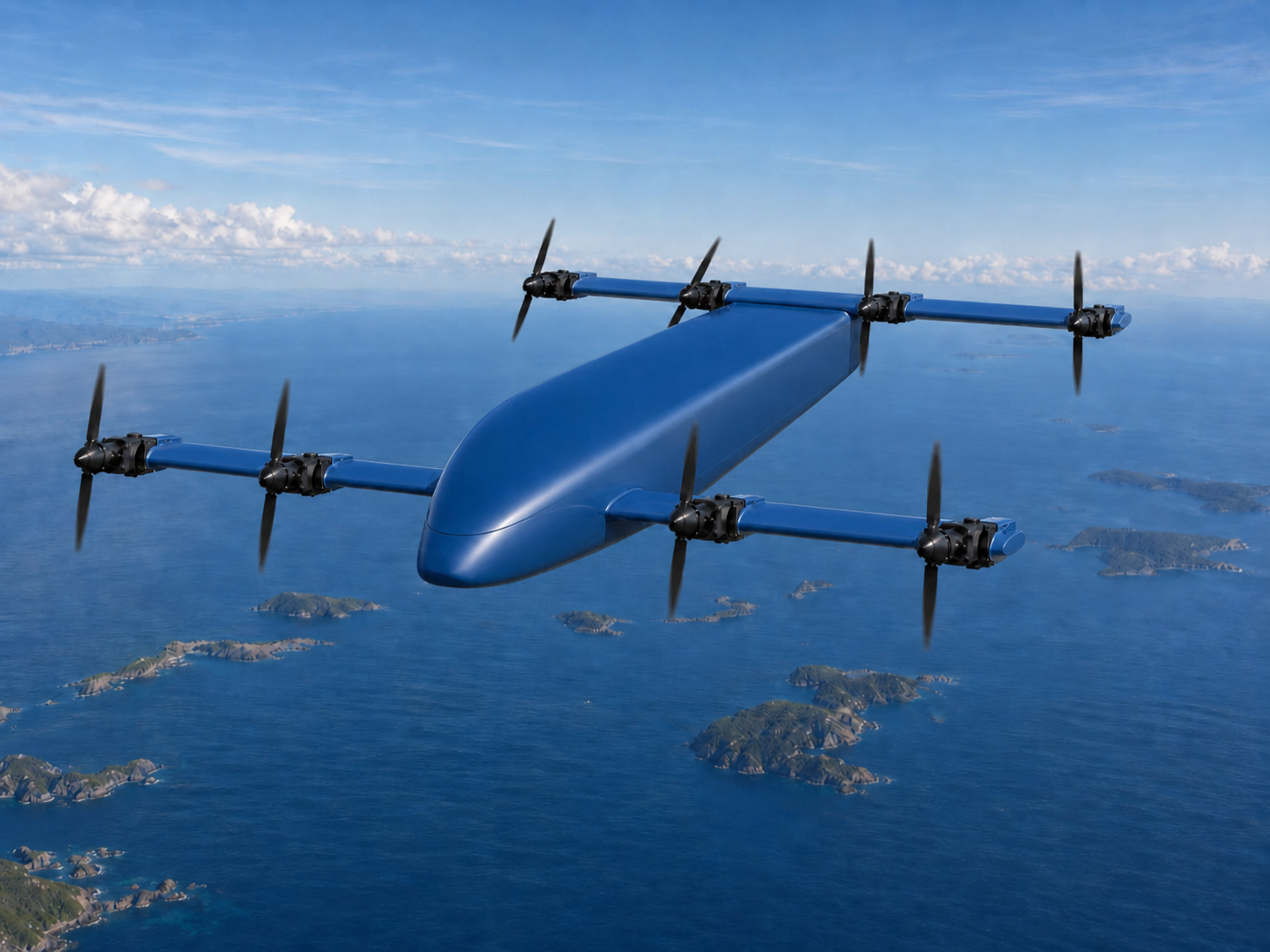
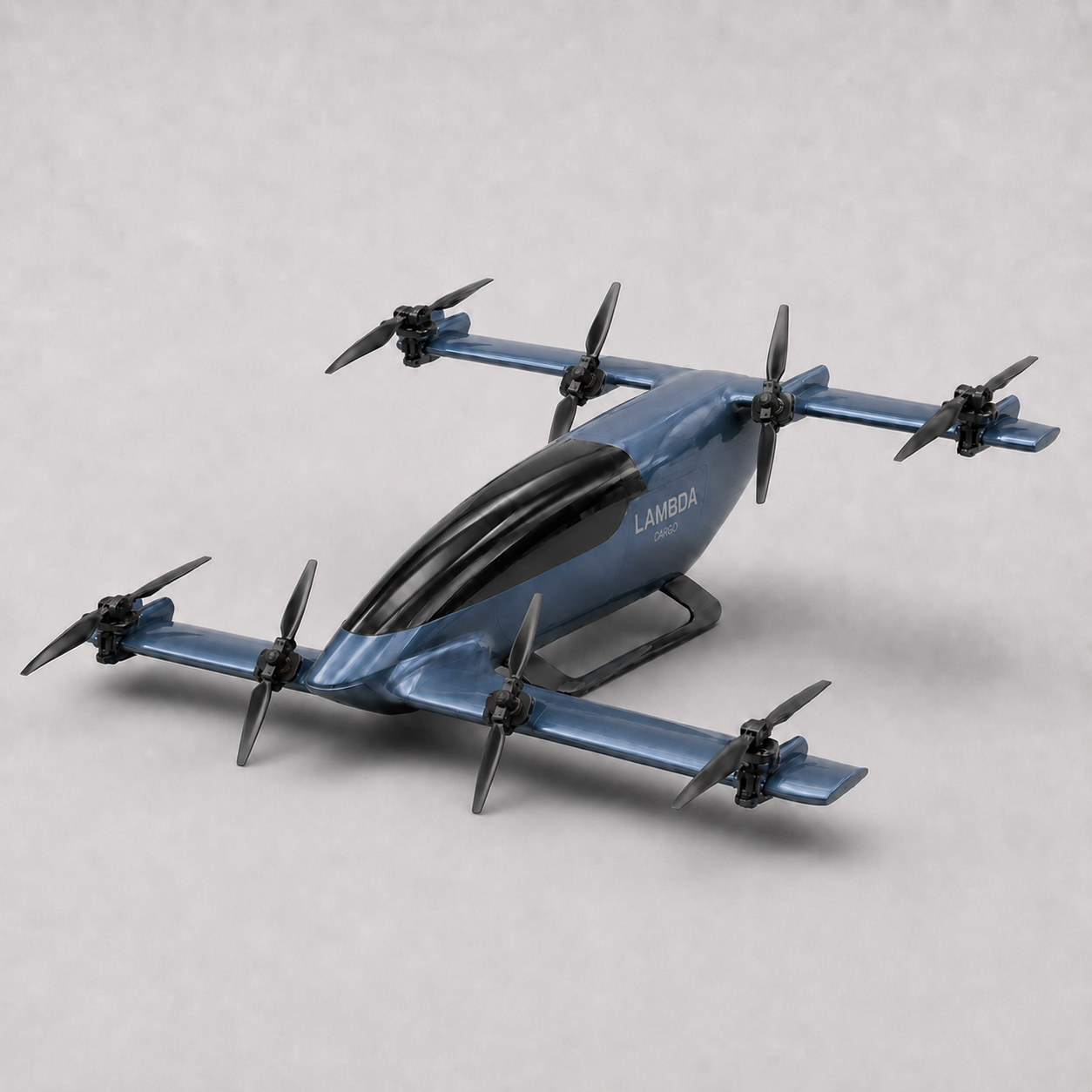
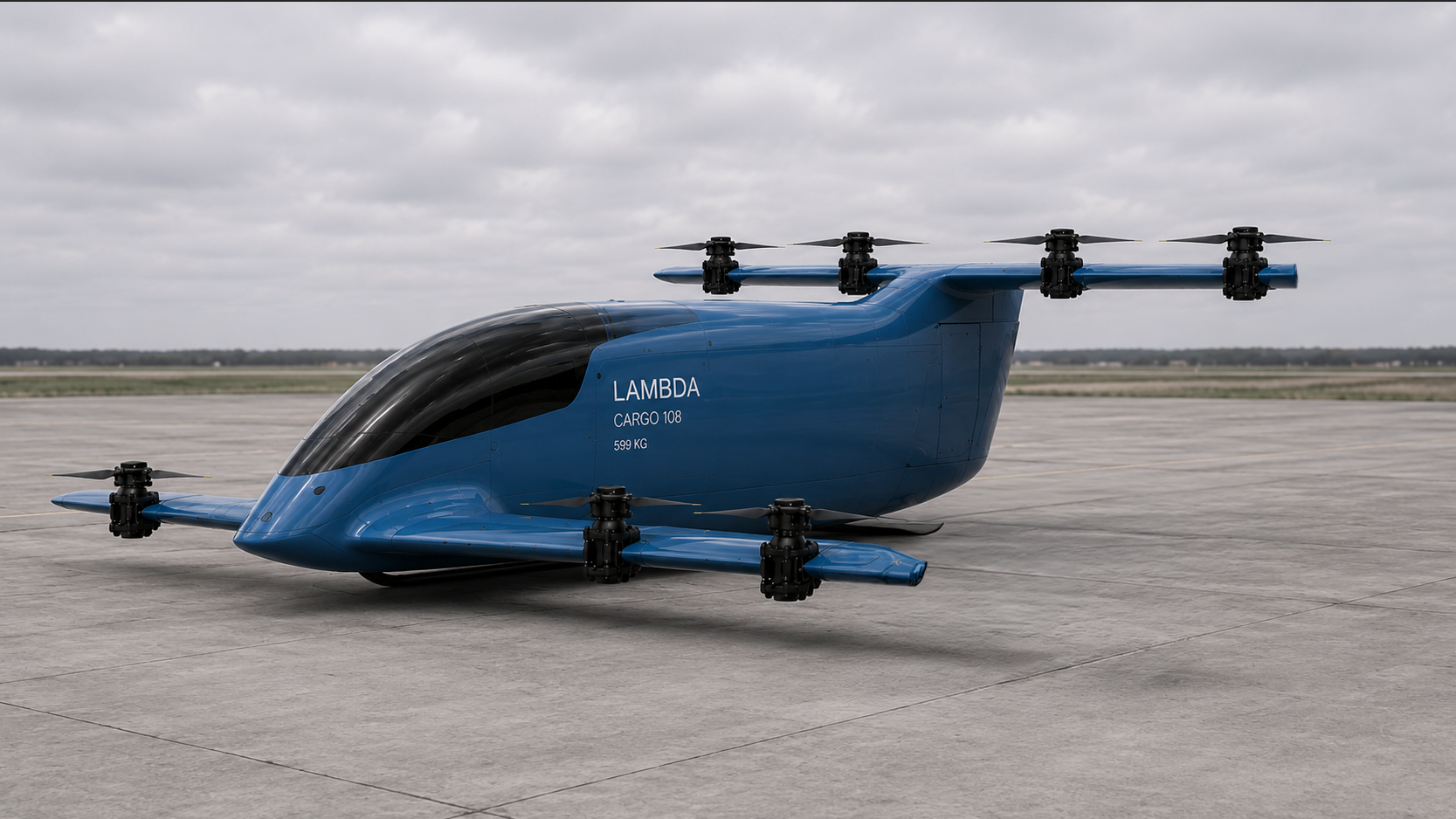
Flight is controlled without conventional control surfaces. Eight identical propulsors tilt independently, while software switches between prevalidated flight modes.
We validate flight transition on a small aircraft, then scale the same architecture to cargo and crewed platforms.
Validates asynchronous tilting and deterministic control on a real aircraft.
Validates operations and regulatory pathways for the lightweight class.
Validates repeated operations and the economics of regional routes.
Expands from the primary cargo platform into regional passenger transport.
Repeated cargo operations generate flight data and revenue, enabling the same platform to expand into regional passenger transport.
Our mission is not simply to build another eVTOL. We are creating an aircraft architecture that is easier to certify, less expensive to manufacture, and scalable across multiple aircraft classes.
Deterministic Flight. Faster Certification. Lower Cost.
Removing moving wing parts turns wing and fuselage production into an automated manufacturing structure, targeting one-tenth the cost of conventional aircraft.
Software determines attitude and flight-mode transitions such as hover, transition, cruise, and glide.
Power-off glide is a structure designed to directly satisfy the controlled emergency landing requirements under FAA AC 21.17-4. Even without power, rotor autorotation and differential drag preserve directional control.
By reducing moving control surfaces, the system reduces parts, failure points, certification items, and manufacturing steps together.
The one-tenth aircraft cost target, 500 kg-class repeated operations, and the Busan–Fukuoka 59-minute example all describe the same cost structure.
The structure keeps control of direction and trajectory through autorotation and differential drag even when power is lost.
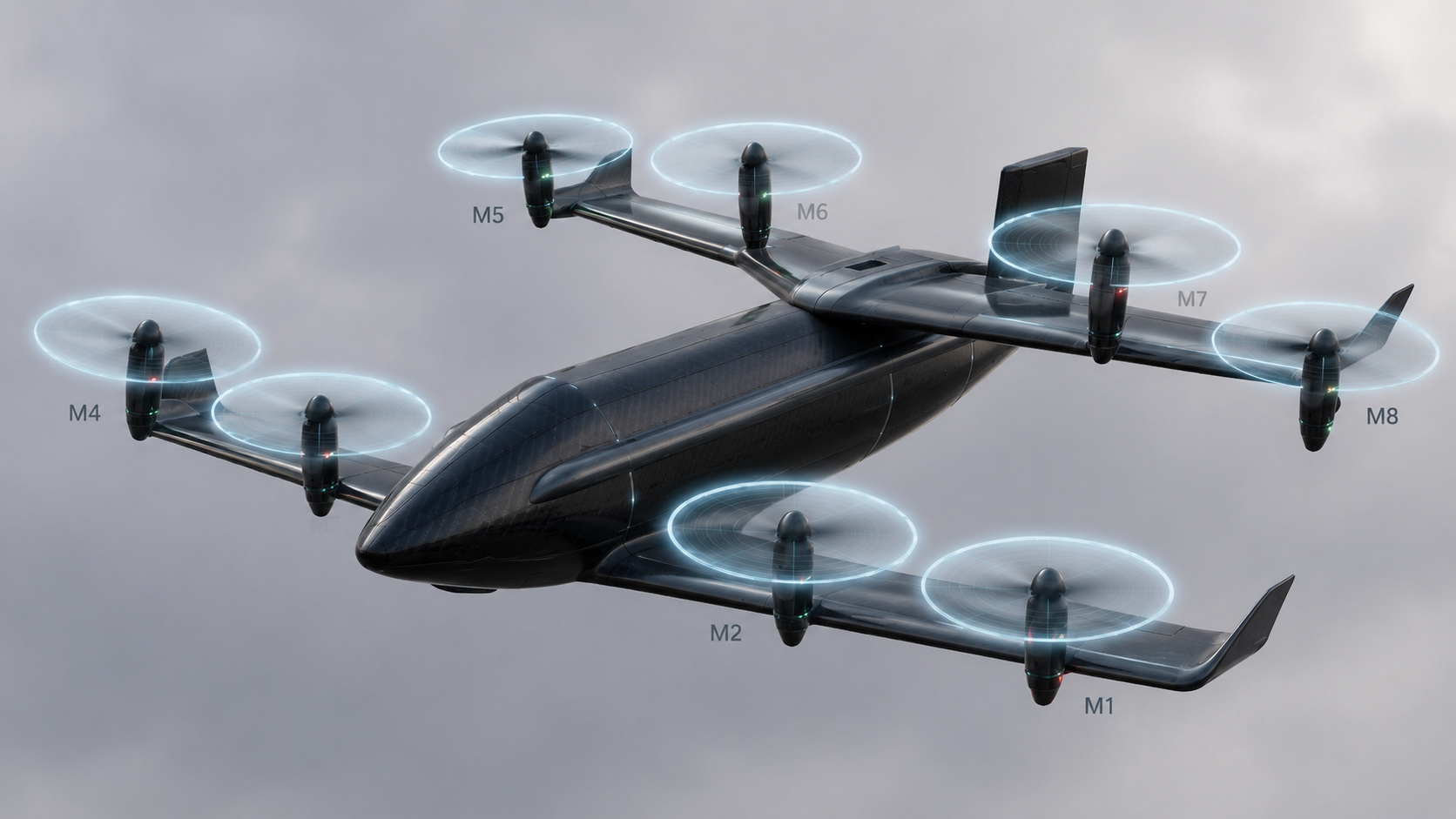
Takeoff and landing, transition, cruise, and emergency descent — one aircraft performs all four.
Payload, distance, takeoff and landing space, arrival time, failure behavior, and cost per flight are defined first.
Mode-aware control keeps flight behavior inside boundaries, makes it repeatable, and makes it explainable through operation logs and test data.
VTOL access, long-range cruise, repeated cargo operations, and low maintenance are not separate features; they are one design problem that produces the same operating cost.
Simulation, control, aircraft structure, safety behavior, and IP are developed together to lower aircraft cost, maintenance cost, and improve utilization at the same time.
Lambda IP protects hover takeoff and landing access, deterministic flight, fixed-pitch low-maintenance rotors, a no-control-surface structure, power-off glide, and differential-drag control as one architecture.
A propulsion architecture that satisfies both site accessibility and mid-mile cruise efficiency.
It excludes complex Penrose pseudo-inverse calculations and real-time partial differential operations, switching fixed discrete matrices as a whole without exception handling to implement 100% deterministic flight with no computational delay.
By removing moving wing parts, it reduces mechanical complexity and maintenance items at the same time.
Even when thrust is lost, the rotors are designed to enter a gyroplane-like autorotation mode and perform controlled descent using differential drag between rotors.
Even without thrust, the aircraft manages attitude and trajectory through its own glide performance and rotor-by-rotor differential drag.
Because the airframe structure is simple, aircraft cost drops dramatically.
By minimizing moving wing parts and mechanical elements, it reduces inspection, replacement, and service items, lowering maintenance burden.
It creates a certification structure that proves safety through predictable and repeatable flight behavior.
Beyond simple aircraft sales, it evolves into an air-logistics asset that generates recurring revenue through repeated operation.
SDA is a structure that expands a software-defined aircraft into an operating asset. A KRW 100 million aircraft, KRW 5 billion lifecycle revenue, 50% target margin, and recurring revenue expanding into fleets, operating rights, Flight OS, and MRO.
Development collaboration for new aircraft and aerial robots based on SDA’s asynchronous tilting structure and Flight OS.
UAM city simulation, aircraft demonstration, and route demonstration.
A network of about 25 patents protects the new technology, built on the asynchronous tiltrotor patent.
We have been building intelligent robots since 2019 — from walking humanoids to flying aerial robots — machines that move with Physical AI.
News and media coverage on our technology, patents, product development, and business expansion.
It creates recurring revenue beyond simple aircraft sales, expanding into fleet ownership, corridor operating rights, MRO, Flight OS, continuing-airworthiness data, and regional JVs.
Aerodynamics alone do not make Lambda fly. Receivepower connects the Physical AI technologies that move real machines into a single execution system, then builds software-defined aircraft on that foundation. Aircraft-specific technologies such as the asynchronous tiltrotor and virtual control surfaces are covered on the IP page.
The world's first asynchronous tiltrotor architecture. Receivepower's five core technologies and portfolio of approximately 25 patents create exclusive advantages in aircraft price, safety and certification, and maintenance.
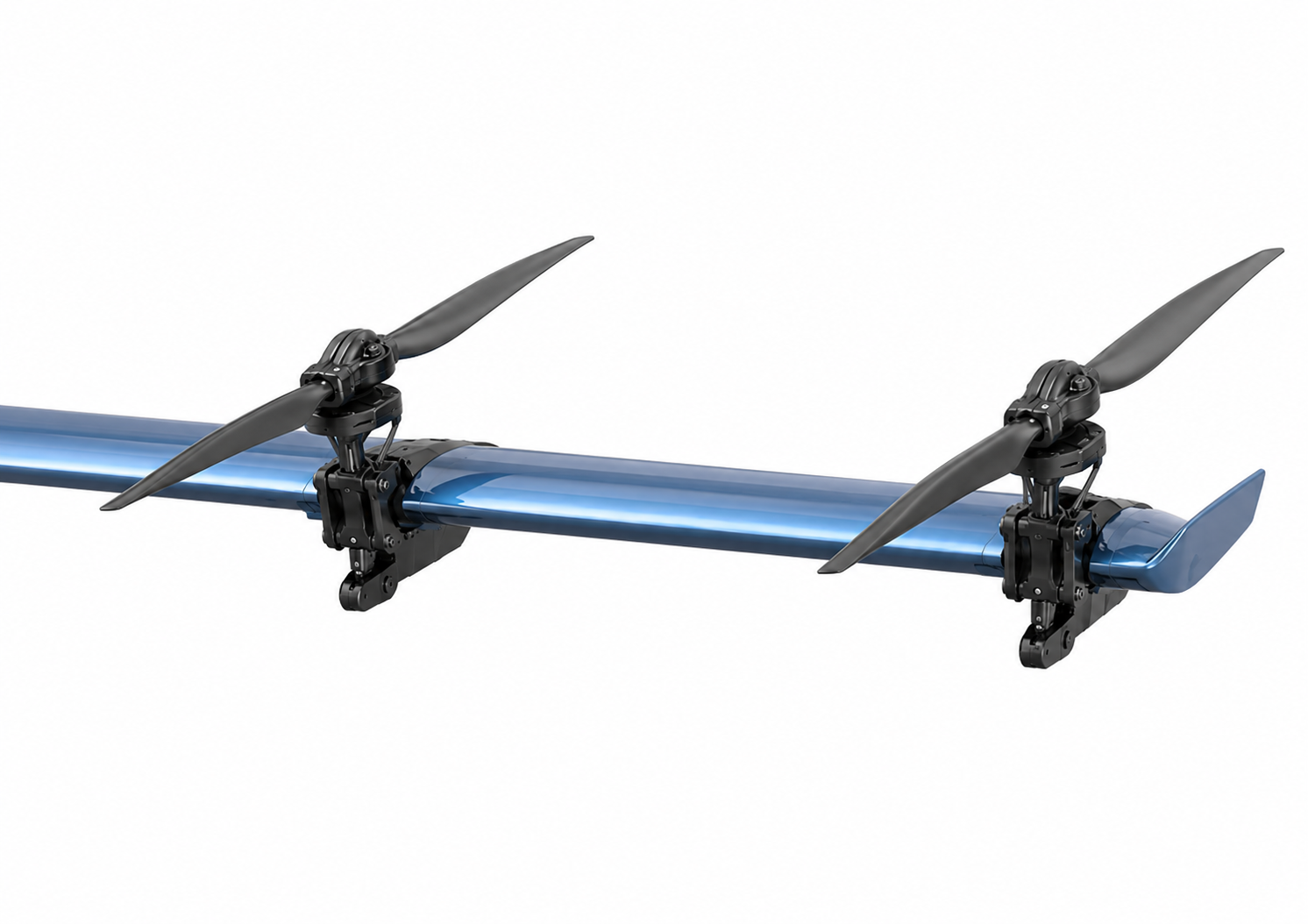
Every rotor tilts independently.
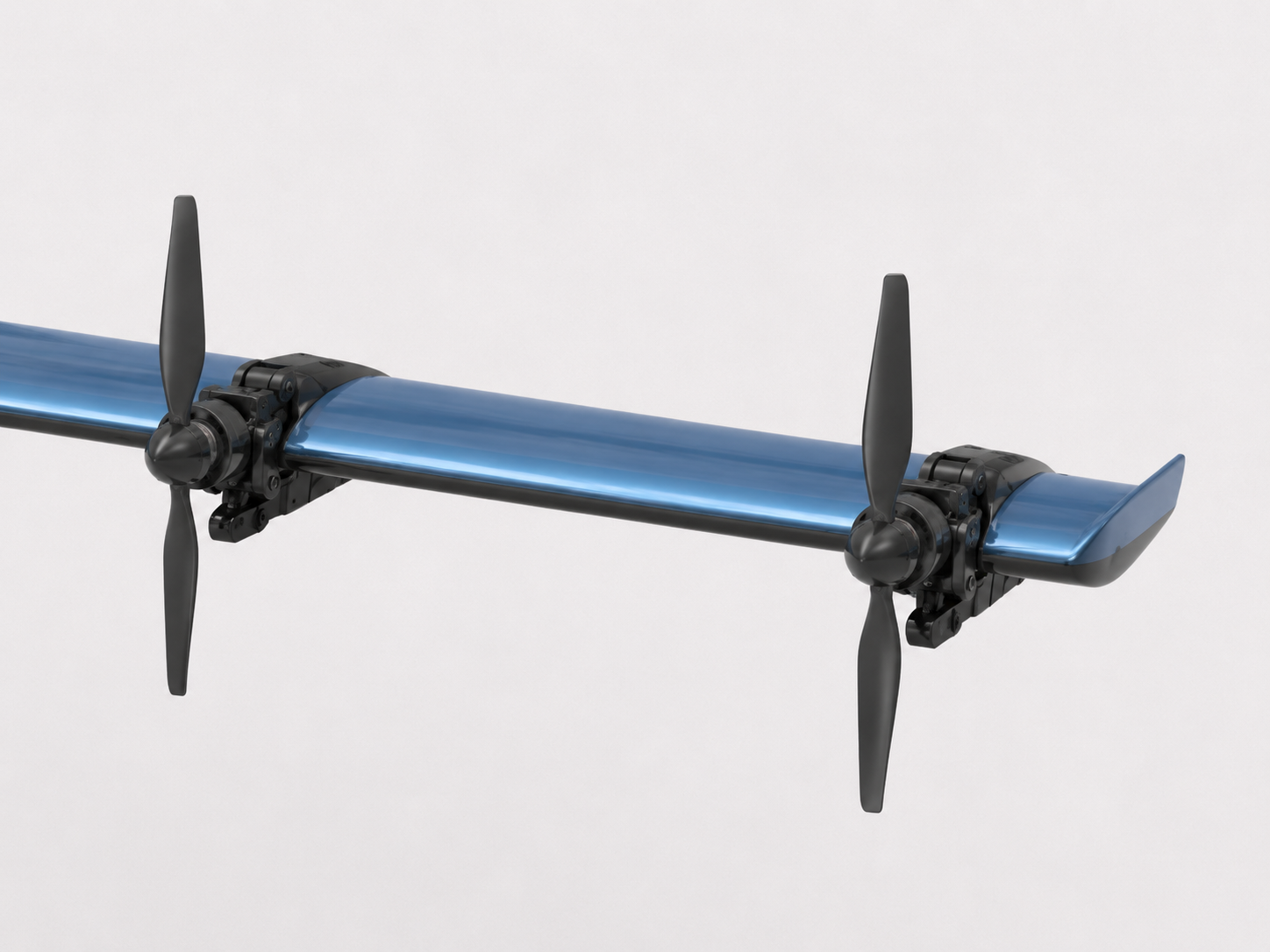
Hover thrust devices transition into cruise thrust to secure the efficiency of long-range air logistics.
Propulsor layout and differential-thrust control replace moving control surfaces. The stagger-based virtual control surface is explained in the detailed technology section.
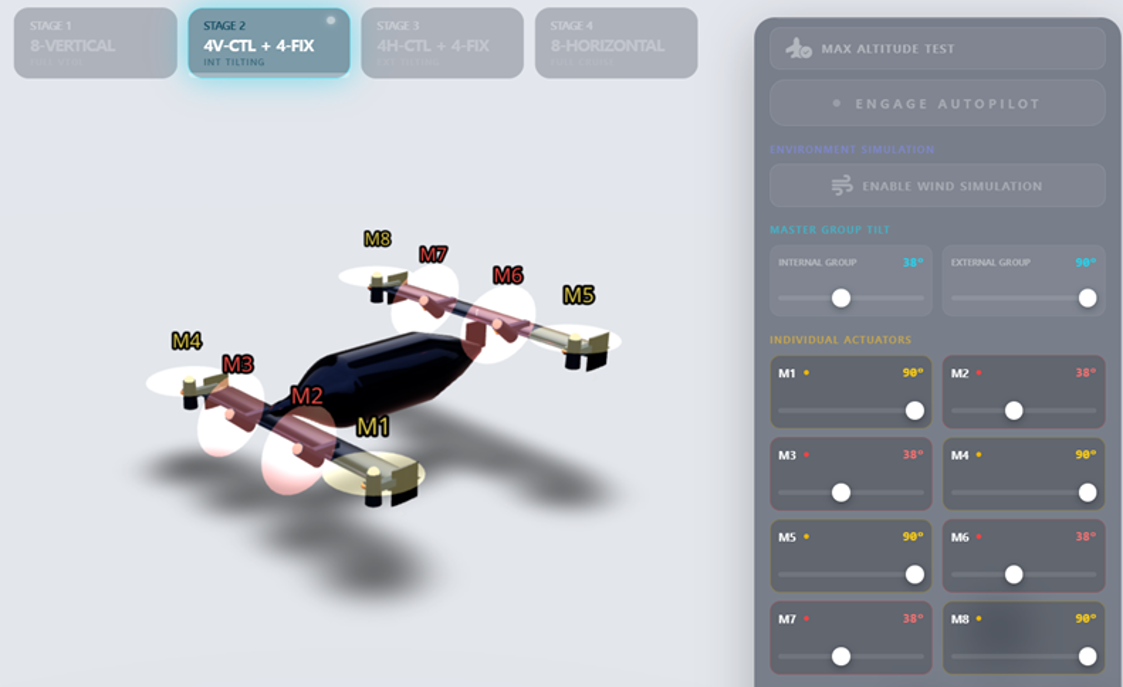
This is the SDA transition structure: inner and outer propulsors are separated and tilted in stages, with control authority transferred by flight mode.
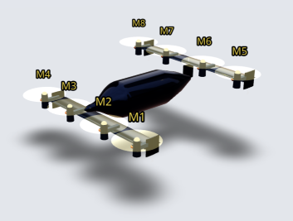
Eight propulsors lift off with hover thrust.
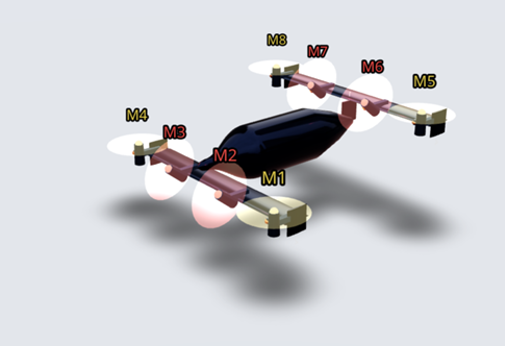
Some propulsors begin transition first.
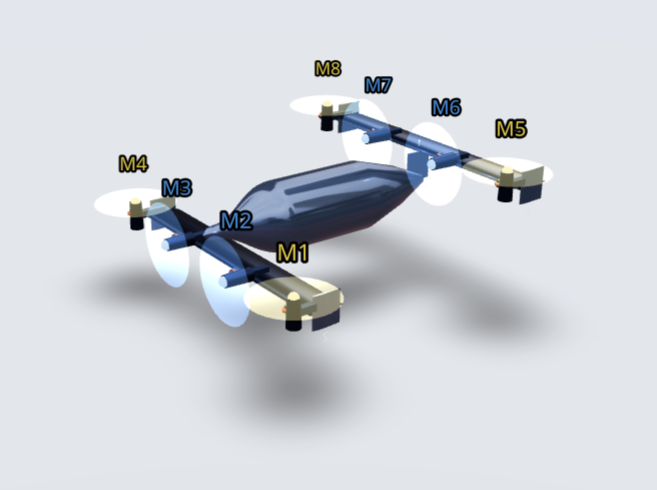
Hover thrust and cruise control are handled at the same time.
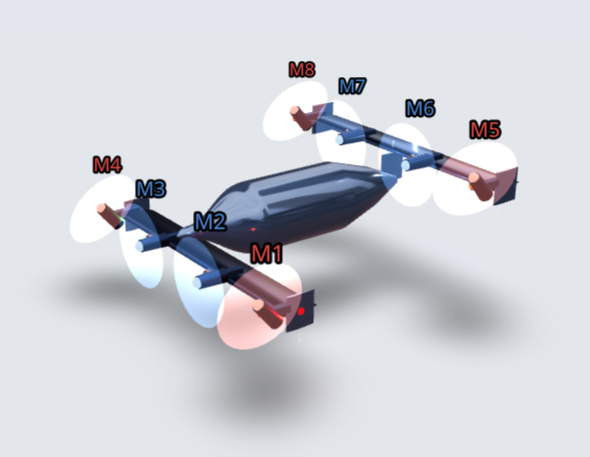
The remaining propulsors move into the cruise direction.
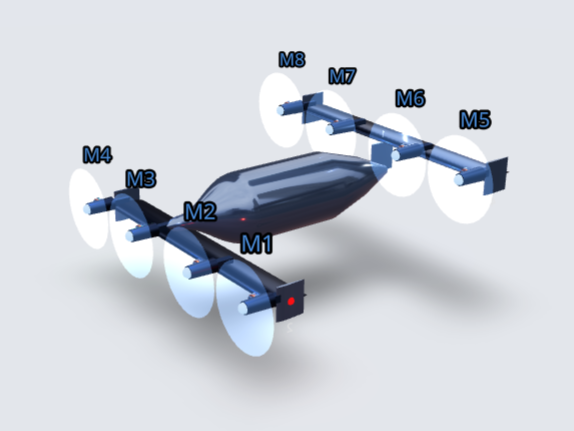
After transition is complete, full cruise control authority is secured.
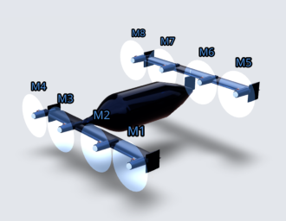
Fixed-wing cruise secures distance and economics.
By removing moving wing parts, reducing components to one-hundredth, and turning certification into a procedure, Lambda proves it first.
Receivepower first secures economics and operating data through cargo operations. In routes where ground and sea transport lose too much time, SDA validates repeated operations and uses that data to build the expansion path toward crewed flight.
Lambda is air-logistics equipment built to fill that gap. It provides direct air access where time loss reduces product value and safety, such as island logistics, mountain supply, industrial cargo, and emergency delivery.
Air logistics opens only when aircraft cost, energy, maintenance, safety, certification, and utilization all align. Lambda reduces these cost layers through airframe structure and operating software together.